
blog
Why Restaurant Owners Spend Their Lives Firefighting
If every shift feels like chaos, urgency and constant problem-solving, the issue usually isn’t your team. It’s the system behind the operation.
 Tasca May 08, 2026 3 min read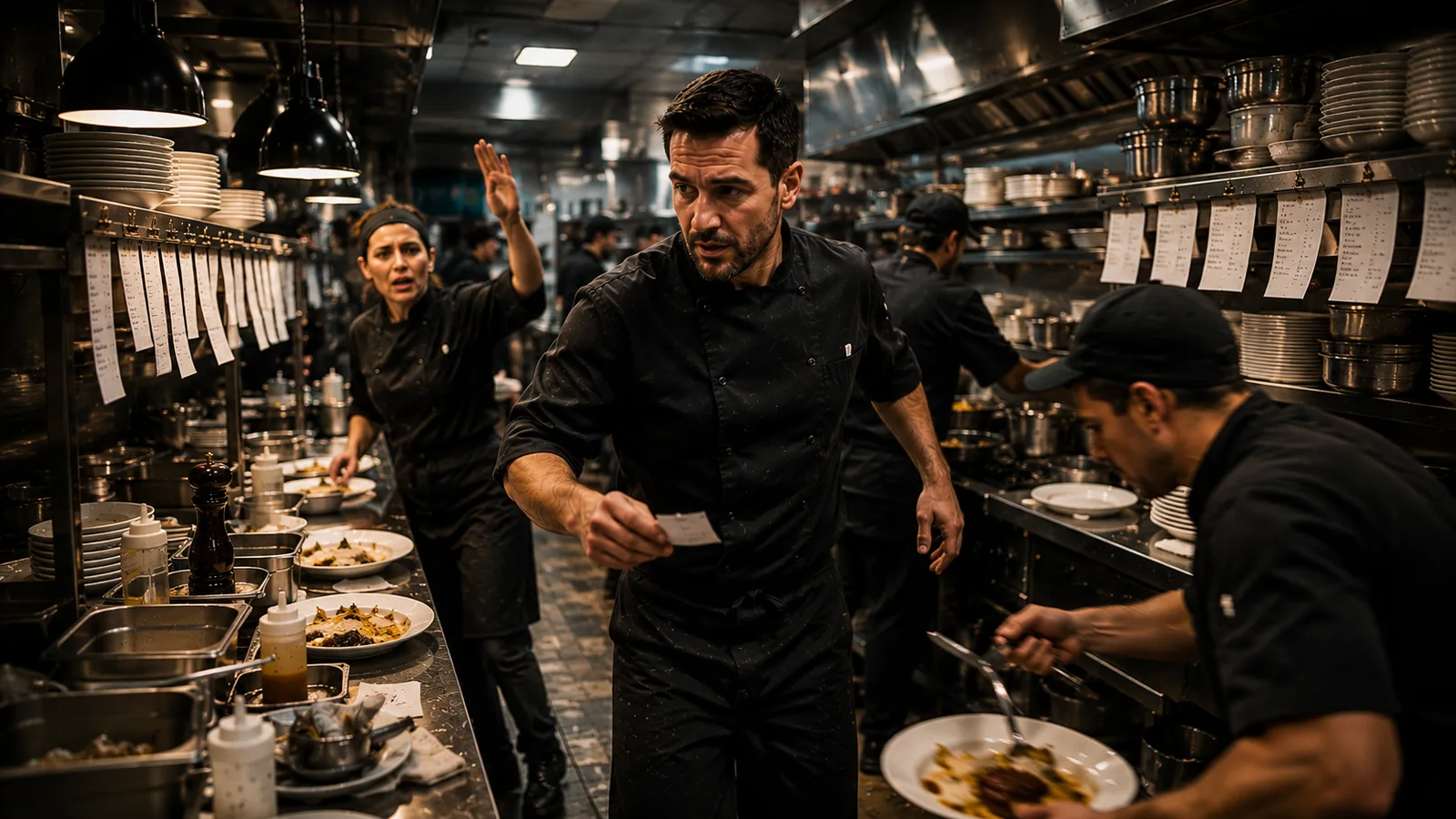
When every shift feels like survival
Many restaurant owners spend their entire day reacting.
A cook needs something.
A station is missing prep.
Service slows down.
Someone forgot a task.
A problem appears somewhere else.
So they move faster.
Solve more.
Push harder.
And little by little...
their role becomes permanent firefighting.
The illusion of productivity
At first, constantly solving problems feels productive.
You feel:
- involved
- important
- necessary
But over time, something dangerous happens:
The restaurant becomes dependent on urgency.
Every shift turns reactive.
Nothing feels stable.
And no one has time to think ahead.
Firefighting usually means the system is weak
Most operational chaos doesn’t come from one big mistake.
It comes from hundreds of small problems:
- unclear responsibilities
- forgotten tasks
- poor communication
- inconsistent processes
- lack of visibility
Without structure, the operation depends on improvisation.
And improvisation creates stress.
Why urgency becomes normal
In many restaurants, chaos slowly becomes part of the culture.
People adapt to:
- constant interruptions
- last-minute fixes
- rushed decisions
- repeated mistakes
Eventually, the team stops preventing problems...
and only reacts to them.
That’s when operational fatigue begins.
Strong restaurants don’t run on adrenaline
High-performing restaurants operate differently.
Not because they’re calmer.
Because they’re clearer.
They rely on:
- defined systems
- visible tasks
- repeatable processes
- operational accountability
That reduces unnecessary urgency.
And allows teams to execute consistently.
The hidden cost of constant firefighting
When owners spend every day solving emergencies:
- strategic thinking disappears
- leadership weakens
- growth slows down
- stress becomes permanent
The business survives...
but it never truly stabilizes.
Systems create operational calm
A strong system doesn’t eliminate pressure.
Restaurants will always move fast.
But systems create:
- predictability
- structure
- consistency
- clarity under pressure
And that changes the entire atmosphere of the operation.
Final thought
If every shift feels like survival...
don’t just blame the pace of the industry.
Ask yourself:
“What problems keep repeating because the system never changed?”
That question is where real operational growth begins.
Closing
Restaurants don’t become scalable through constant urgency.
They become scalable through systems.