
operating-systems
Why most restaurant teams fail
A practical view for replacing memory, urgency, and improvisation with operational clarity.
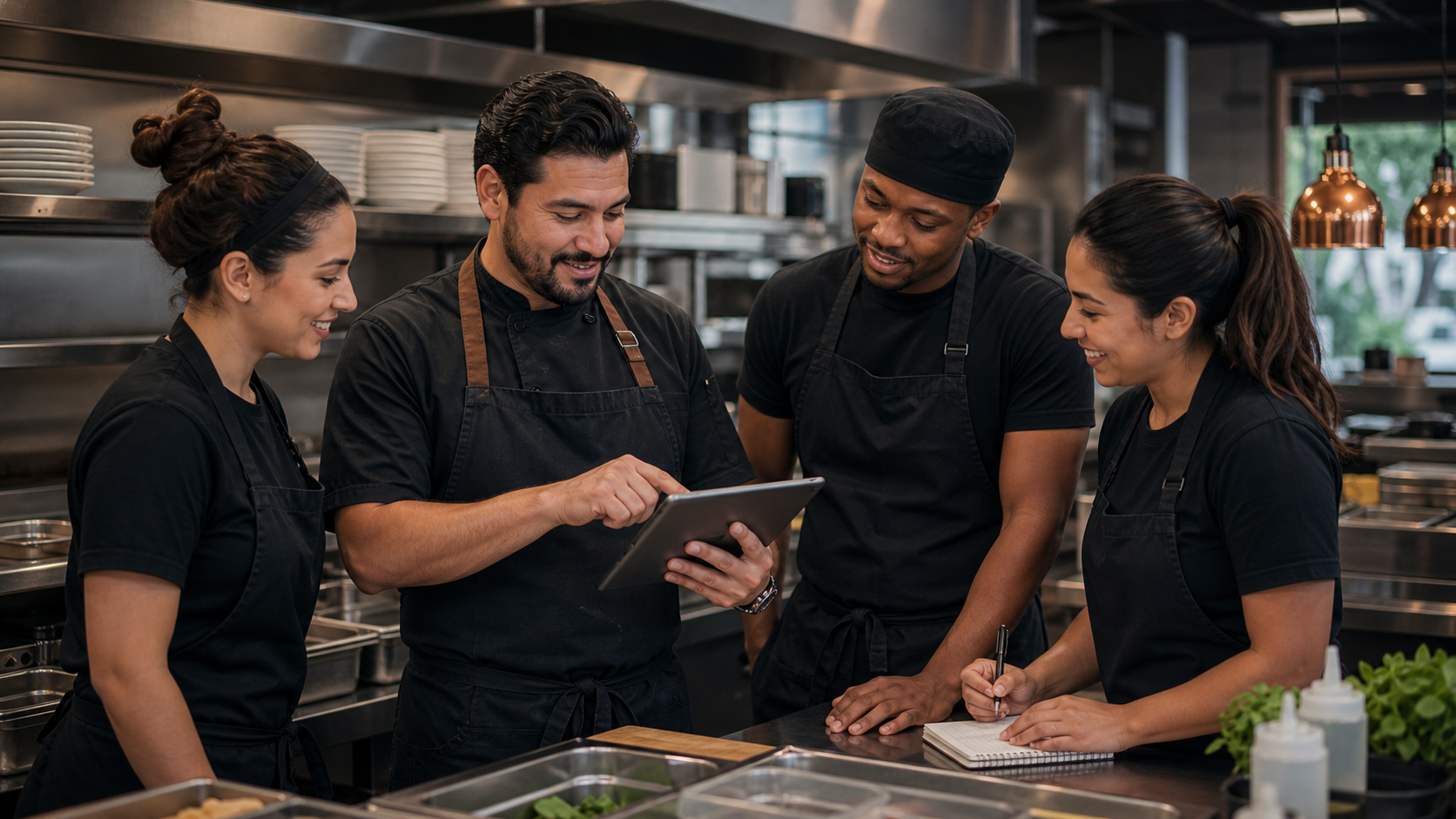
Restaurant execution does not improve just because people try harder. It improves when the team knows what has to happen, who owns it, and how standards are verified without relying on memory.
Why it matters
A practical view for replacing memory, urgency, and improvisation with operational clarity.
For owners and managers, the important signal is not only that something went wrong. The real signal is whether the same situation keeps returning in different shifts, with different people and the same operational cost.
Where teams usually break down
The common pattern is the team ends up depending on memory, owner presence, or verbal instructions that disappear once service starts. When that happens, the team may still care about doing good work, but the operation gives them too little structure to execute consistently.
During service, ambiguity becomes expensive quickly. Small doubts turn into delays, repeated questions, incomplete tasks, and standards that change depending on who is present.
How to turn it into a system
A practical first step is to turn expectations into visible tasks, clear owners, repeatable standards, and lightweight shift follow-up. That does not need to feel heavy. It can start with the routines that repeat every day and the moments where mistakes create the most friction.
The goal is not to supervise more. The goal is to make the right work easier to see, easier to own, and easier to verify.
Final thought
Operations improve when they stop depending on heroics and start depending on a clear system.
Tasca is built to keep that clarity inside daily operations: visible tasks, clear ownership, and simple follow-up for every shift.